Listing and ranking richness of countries
is always a challenge. Between social-economic status, commerce,
economics shifts, natural disasters, many years of colonialism, poverty
and inequality, and government corruption – there are most definitely
many challenges in economic growth and maintaining a healthy, wealthy
and productive society.
There are 1.3 billion people living across Africa, in 54 different countries, that produces $2.2 trillion
in nominal GDP thanks to trade, agriculture and harvesting various
sources of energy (oil being the dominant one in certain countries). Not
too long ago, in 2013, Africa was the world’s fastest-growing continent
at 5.6% a year. Nowadays, the African Development Bank predicts an
increase of 4.3% in yearly growth across the continent. World Bank
expects most of the African countries to reach a GDP per capita of at
least $1,000 (ranking those as “middle income”) by 2025.
All nominal data in this article are based on World Bank latest reports.
All nominal data in this article are based on World Bank latest reports.
How would Nigeria’s oil export affect its ranking? Does the government domination on the economy of Kenya helps its rank? How would countries like Ghana and Zimbabwe rank in comparison to Zambia and Uganda? How does South Africa’s complex social history affects its econimoc growth?
Angola
 Credit: United Nations Photos
With a total GDP of $124.209 billion and a staggering GDP per capita of $4,407,
Angola takes the 5th place in the richest countries in Africa. Angola
is largely dependent on their natural oil and gas reserves, along with
hydroelectricity, diamonds, and agriculture.
Angola has a population of 30.7 million people, most of whom are still highly influenced by European culture due to 400 of Portuguese colonialism in the country. The official language of Angola is still Portugees. Nominal GDP Rank: #5
Nominal GDP Per Capita Rank: #9
South Sudan
 Credit: South Sudan National Dialogue
South Sudan is one of the poorest countries
in Africa, and its economy is weak and underdeveloped. South Sudan has a
population of 12.9 million, with only 24% of the population being literate.
Its GDP stands at $3.61 billion and GDP per capita is $275. Conditions in South Sudan are known to be most problematic, in most of the villages and populated areas there is no electricity and access to water suitable for drinking. Nominal GDP Rank: #45
Nominal GDP Per Capita Rank: #54
Republic of Cameroon
 Credit: Kouamo
With a per-capita GDP of $1,443, The Republic of Cameroon is one of the ten highest in Africa by that metric. The total GDP of the country is $34.79 billion.
With great agriculture structures and a population of 23.44 million people, the county still accounts for a lot of people involved in the agricultural sector however the economy has increased in over the year. Timber reserve adds value to the economy of the country as it accounts for about 37% of the total land mass. Nominal GDP Rank: #15
Nominal GDP Per Capita Rank: #26
Morocco
 Credit: Visit Morroco
Morocco is the 6th richest and the 11th biggest country in Africa. With a GDP of $109.82 billion and a population of 36.1 million people, is it also one of the leading countries in Africa in terms of GDP per capita, with a figure of $3,151. Morocco is considered a relatively liberal economy with large sectors such as tourism (which the government hope to reach 20% of its GDP by 2020), agriculture, solar and coal energy, export of cannabis.
Egypt
 Credit: Experience Egypt
Egypt has a famous long history, dating
back to the 6th century BCE. It is obviously well known for its iconic
monuments such as The Great Pyramids, The Great Sphinx and the ruins of
Memphis and Thebe. Nowadays, Egypt is the 3rd biggest economy in Africa,
with a GDP figure of $237.03 billion as well as a GDP per capita of $2,500.
It is also the 3rd biggest country in Africa, with a population of 99.3 million. The Egyptian economy is largely based on Tourism, commerce and sea transport through the Suez Canal, Natural Gas, Agriculture, and of-course, Oil. With a production of over 700,000 oil barrels a year, Egypt possesses the largest oil refinery capacity in the entire African continent. Nominal GDP Rank: #3
Nominal GDP Per Capita Rank: #15
Niger
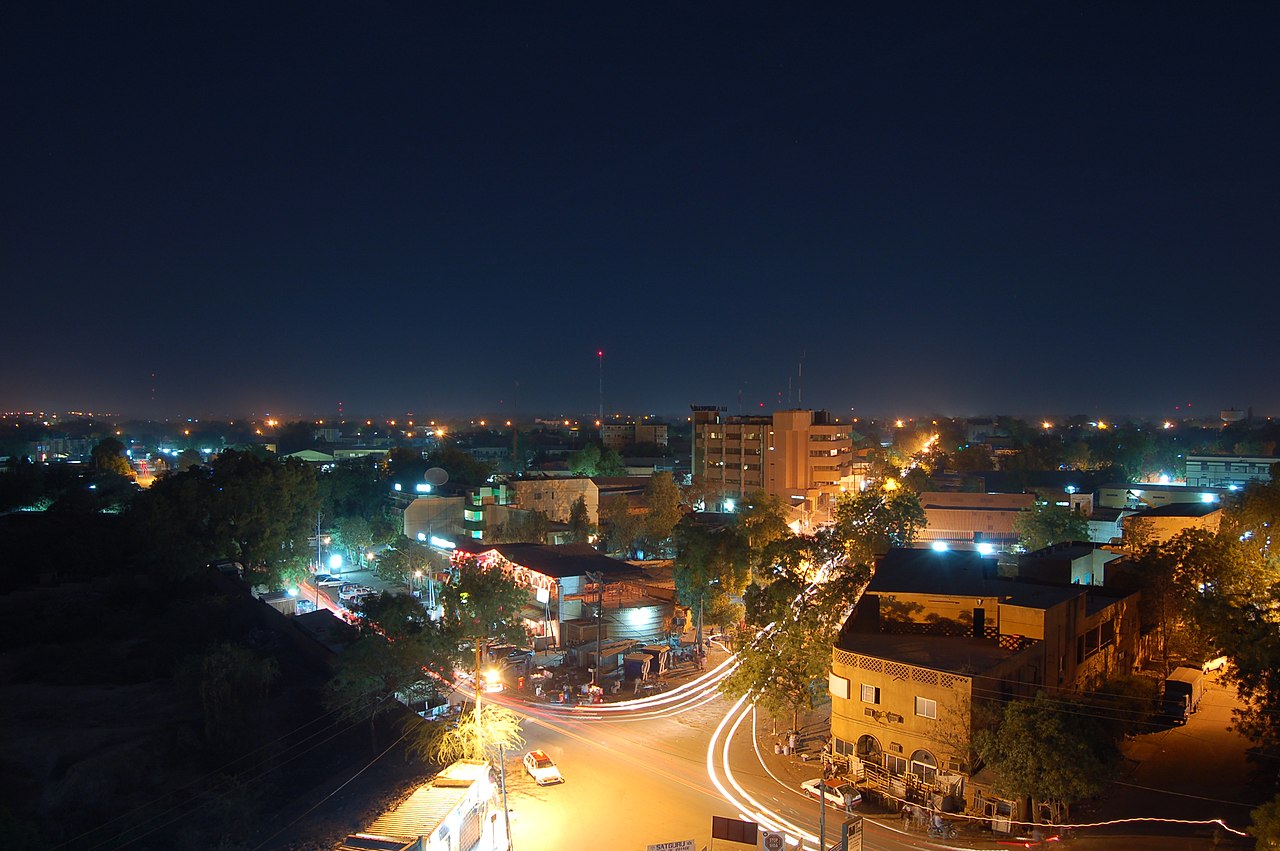 Credit: Wikipedia
Niger is among the poorest countries in Africa, with a population of 22.3 million, GDP of $7.89 billion and a per capita GDP of $444,
which is actually one of the lowest in the world. Niger’s economy is
based on agriculture (mainly subsistence agriculture), which provides
jobs for most of its citizens, and its large uranium deposits, which is
actually one of the largest uranium deposits in the world.
Despite the efforts, Niger economy struggles to maintain, as it is negatively affected by drought cycles, rapid population growth, and the decline in uranium prices over the years. Nominal GDP Rank: #35
Nominal GDP Per Capita Rank: #4
Ivory Coast
 Credit: Wikimedia Commons
The Ivory Coast enjoys a stable economy, has a population of 24.9 million, a GDP of $53 billion and a considerable GDP growth of 8.5% per year, which is currently the 4th highest GDP growth in the world. The vast majority of Ivory Coast residents (about 70%) are engaged in agriculture.
The leading crops in Ivory Coast’s agriculture are coffee and cocoa beans, which accounts for about 40% of the world’s production. As a result, the economy of the Ivory Coast is heavily influenced by fluctuations in the prices of cocoa and coffee. This led the Ivorian government to push for greater diversification of the country’s economy. Those attempts resulted in failure, and most of the industry is still agriculture-based. Nominal GDP Rank: #13
Nominal GDP Per Capita Rank: #22
Libya
 Credit: Hussein Malla, AP
Libya is one of the smallest countries in Africa, with a population of only 6.47 million people. It holds a GDP figure of $31.33 billion,
which might not sound like a lot, but it places Libya as the 7th
richest country in Africa, in terms of GDP per capita – with a figure of
$4853.67.
As many Africa countries, most of Libya economic growth comes from oil, that accounts for over half of its GDP, and about 97% of its export. Due to those figures, Libya has been described as the “Upper Middle Economy of Africa” by the world bank. Nominal GDP Rank: #16
Nominal GDP Per Capita Rank: #8
Uganda

Credit: This Is Uganda
Uganda is of the poorest nations in the world. The country’s total GDP accounting to $25.53 Billion
and a $615.31 GDP per capita with a population of 44.27 million. This
place Uganda as one of the largest countries in Africa in terms of
population, but also one of the poorest. However, the country has
witnessed a recent change in the economy, to the measures taken by the
government to protect the natural resources of the country.
In 1992, 56% of the country’s population was under the poverty line of $1.25 a day. In recent years that number has been reduced to around 25%. Government officials are still hopeful that in the coming years they will reach their goal of reducing the number of poor in its population to 10%. Nominal GDP Rank: #17
Nominal GDP Per Capita Rank: #41
The Democratic Republic of Congo
 Credit: Wikipedia
The Democratic Republic of Congo accounts a
mixture of economic sectors such as mining, fishing, forestry,
agriculture, and copper and cobalt. While The country’s total GDP of
$41.44 billion may seem high in comparison to other African countries.
But it’s extremely large population of 84 million people, bring its GDP per capita figure to the astounding low $478.23. This places the country in the top ten poorest countries in Africa, by that metric. Nonetheless, this country is a perfect example of a mixed economy. Nominal GDP Rank: #12
Nominal GDP Per Capita Rank: #47
Tanzania
 Credit: One Acre Fund
Next on the list is Tanzania, undoubtedly
one of the most beautiful places in Africa. With a relatively high total
GDP of $51.72 billion, It is the 10th largest economically rich country
in Africa, by that metric.
Tanzania has a population of $59.09 million people, 4th biggest in Africa. That brings its GDP per capita figure to $1,033. The people of Tanzania largely rely on agricultural for a source of their income. The country has increased in terms of GDP but there are people who still are below the poverty line. Nominal GDP Rank: #10
Nominal GDP Per Capita Rank: #30
Sudan
 Credit: Global Witness
Sudan is the 10th most populated country in Africa, with a population of 41.51 million people. It is also the 9th richest country in Africa, with a GDP of $58.23 billion and a GDP per capita of $1428.
In 2012, Sudan was the 17th fastest growing economy in the world. Largely due to the fact that it’s rich in oil and gas. The country has managed to achieve an increased GDP along with their dependency on agricultural as a second source of income. Sudan is also the largest exporters of cotton and peanuts all across the world. Nominal GDP Rank: #6
Nominal GDP Per Capita Rank: #24
Algeria
 Credit: Visit Algeria
Algeria bases most of its economy on fossil
fuels and gas. In fact, 95% of Algeria’s exports are based on its
advanced fuel and gas industry. With a GDP of $173 billion and per capita GDP of $4,187, Algeria is among the five richest countries in Africa.
Due to its newfound possibilities, in recent years, Algeria has been leaning towards sustainable development to create more jobs and ease the housing shortages it faces. The Algerian economy also offers a host to other sectors that, although they do not hold a significant percentage of the country’s economy, occupy a respectable position. These sectors include agriculture, fishing, banking, and tourism. Nominal GDP Rank: #4
Nominal GDP Per Capita Rank: #10
Madagascar
 Credit: @Madagascar Tourism
Despite the potential and growing interest
in Madagascar as a thriving tourist destination, mostly because of its
unique forests and habitats, and despite its government’s attempts to
develop its tourism industry, tourism in Madagascar remains
underdeveloped, with few visitors each year in comparison to its
neighboring countries
Apart from tourism, Madagascar bases most of its economy on agriculture
and textile and mining industries. The population of Madagascar is 26.2 million, its GDP stands at $10.3 billion and its per capita GDP is $405.
Nominal GDP Rank: #28
Nominal GDP Per Capita Rank: #48
Seychelles
 Credit: Alphonse Fishing Company
Since its independence, Seychelles, the
Indian Ocean island nation, its economy has experienced an increase in
GDP which currently stands on $1.56 billion, this may not sound impressive, but considering Seychelles is among the smallest countries in Africa, with a population of 95,235 and per capita GDP $16,332.
Seychelles’s economy is based mainly on luxury tourism and fishing. Seychelles was economically dependent on its flourishing tourism until the crisis of the late 1990s and early 2000s when the Seychelles government decided to develop agriculture and fishing in order to create a diversified economy. Nominal GDP Rank: #50
Nominal GDP Per Capita Rank: #1
Zambia
 Credit: Zambia Daily Mail
Due to its rapid urbanization rate,
Zambia’s economic growth is one of the fastest in Africa. Despite the
significant growth, Zambia is still considered a poor country over the
past decades, with a population of 17.6 million, GDP of 23.1 billion and GDP per capita of $1,342.
About 60.5% of Zambians live below the poverty line. Agriculture is one of the most important industries in Zambia, as it provides more employment than the mining industry. The main crops in Zambia are cereals, but other crops include cotton, sugar, and soybeans. Nominal GDP Rank: #18
Nominal GDP Per Capita Rank: #23
South Africa
 Credit: @Cape Town | South Africa
South Africa has a complex and aweing
social history, with a multiethnic society, with a wide range of
cultures and languages (11 official languages, to be exact). The
southernmost country has a population of 57.3 million. It is also the 2nd richest country in Africa, with a GDP of $349.29 billion and a mesmerizing GDP per capita of $6,179, that is only beaten by the 5 other countries in Africa.However, these five countries, Botswana, Gabon, Mauritius, Equatorial
Guinea and Seychelles – all have populations that are smaller than 2.5
million people. The African Economy is largely based on mining,
agriculture, automotive manufacturing, telecommunications, and tourism.
Despite all these great figures, South Africa is still showing a high
rate of poverty and unemployment. South Africa is also in the top ten countries in the world for income inequality.
Nominal GDP Rank: #2Nominal GDP Per Capita Rank: #6
Zimbabwe
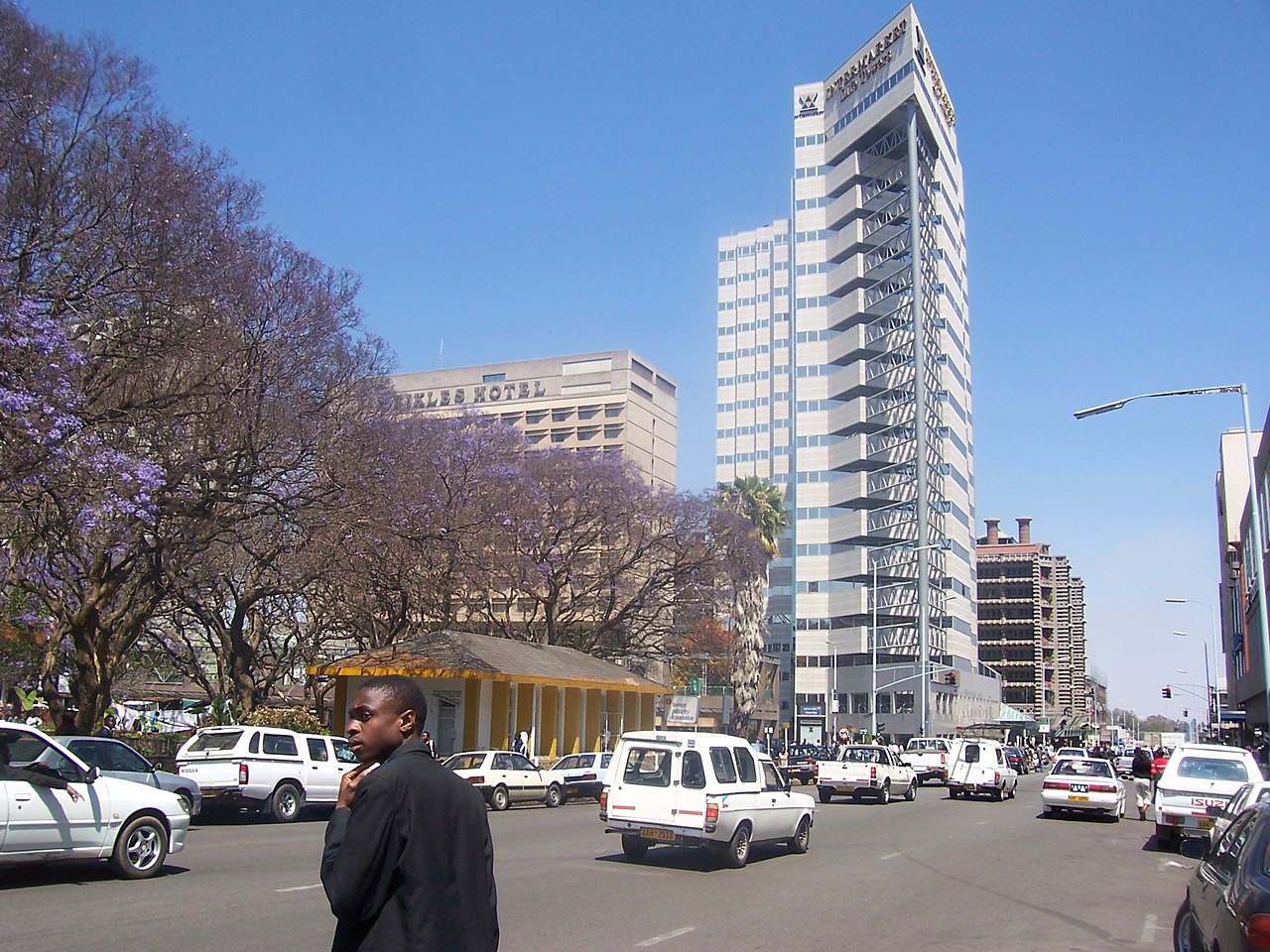 Credit: Wikipedia
In the past, Zimbabwe was known in Africa
for its extensive wheat and cotton crops, but since the early 2000s,
Zimbabwe’s economy has shrunk considerably. Zimbabwe has a population of
16.9 million people, GDP of $17.1 billion, and GDP per capita of $1,14Zimbabwe’s local currency, the Zimbabwean dollar, has reached a status of hyperinflation in the past decade, to a point where 100 billion Zimbabwean dollars was equivalent to one US dollar.
After many attempts to restore the currency, in 2009 it was decided to
abandon it. Since then, Zimbabwe has been using foreign currencies such
as the US dollar and its economy has begun a reform process.
Nominal GDP Rank: #19Nominal GDP Per Capita Rank: #28
Ghana

 Credit: The Only Way Is Ghana
Ghana accounts a total GDP of $47.03 billion.
The country has a rich and vast economy, placing it as at the 11th
place in teams of highest GDP in Africa, right after Tanzania.
The position of their GDP has increased with a lot of management plan
that they have applied to improve the country’s position. As it is being
blessed with natural resources on which the country relies for as a
source of income. With a population of 29.46 million people its GDP per capita stands at $1,663.
Nominal GDP Rank: #11Nominal GDP Per Capita Rank: #21
Kenya
 Credit: @Georgina Goodwin
The eastern African country of Kenya has a population of 50.95 million people. It produces a GDP of $79.51 million ranking as the 9th richest country in Africa in terms of GDP. Its GDP per capita stands at $1,701 making it a “middle income” country according to World Bank.
Kenya leads a market-based economy, with several government-owned infrastructures, yet maintaining a liberalized trade system while taking advantage of its ports to the Indian Ocean. Sectors like fishing, mining, and tourism aid the country’s growth. However, it is agriculture that takes a major role in Kenya’s economy and labor, as about 75% of its workforce is making a living of it. The coffee and tea industry being the leading ones in Kenya agriculture economy. Nominal GDP Rank: #9
Nominal GDP Per Capita Rank: #20
Nigeria

Credit: @Abuja, Nigeria
Nigeria is the richest and biggest country in Africa. With a population of 195.8 people, a GDP of $376.28 billion and GDP per capita of $1,994,
this west African country closes our list. The Nigerian economy is
defined as a mixed economy emerging market, and according to World Bank,
it has reached the status of lower middle income. Nigeria economy is
largely built around commerce and energy.
It is the largest trader of the USA in Africa, as it supplies the US with around 1/5 of its total oil production. That places Nigeria as the 12th largest oil producer in the world and the 8th larger oil exporter. Moreover, Nigerian agricultural is a major source of employment for the country, as around 30% of its population are employed in agriculture. Nominal GDP Rank: #1
Nominal GDP Per Capita Rank: #16
Comments
Post a Comment